Lately, the social media feeds of many brands have started to resemble the ‘For You’ page, with diverse content that looks more user-generated (UGC) than ever before. On Instagram and TikTok especially, brands are increasingly collaborating with micro-influencers who create authentic, realistic content about their products. This trend seems to be shaping the marketing landscape and is likely here to stay, at least for this year.
Why is UGC working so well?
Users are tired of perfectly polished marketing campaigns and product photoshoots. They want to see content they can relate to, content that feels natural and authentic. We wrote more about the benefits of UGC in a previous article.
But, right now, brands benefit from collaborations with micro-influencers whose content already feels familiar to their communities. Their specific style makes ads blend naturally into the feed, more like a friend’s recommendation than a traditional campaign, so followers engage instead of skipping, as they often do with classic ads.
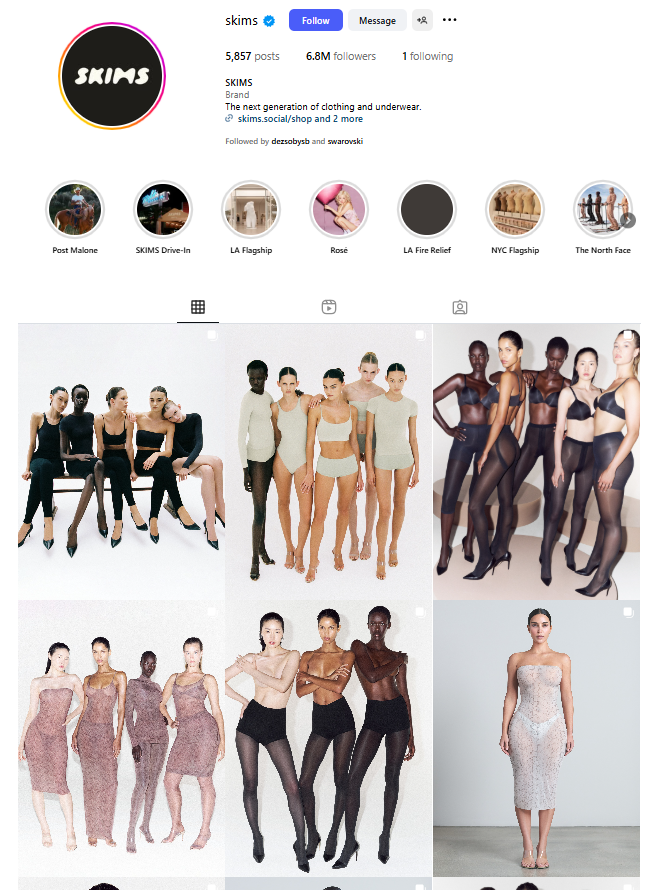
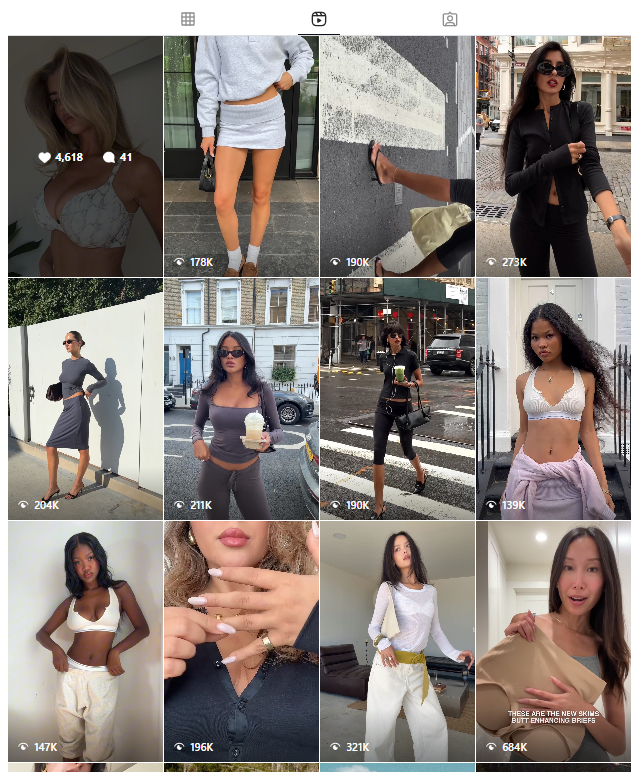
Take Skims as an example. Their Instagram feed looks like a typical brand account, but if you check their Reels, it’s a different story. There, you’ll find videos from many different content creators that feel like a repost page, but they all have one thing in common: Skims products.
How can you make more UGC for your brand?
There are a few ways:
Collaborate with micro-influencers directly. Reach out to creators your audience already follows and trusts, and explore partnerships. You can also send PR packages, if they create content about your products, you can repost it. Keep in mind, though, that relying solely on this method can lead to inconsistent content flow over time.
Have an internal person or intern dedicated to UGC. This team member can manage creator relationships, collect content, and ensure a steady stream of authentic posts that match your brand’s style.
Work with an agency. Agencies often have networks of creators and experience running campaigns at scale, making it easier to maintain quality and consistency.
Use UGC apps like FameUp. Platforms like this can help you source, organize, and publish user-generated content efficiently, without needing a large internal team.
What should you watch out for when posting UGC?
Budget. Even though UGC is generally more cost-effective than traditional campaigns, it still requires investment. Decide upfront how much you can allocate for collaborations, PR packages, or agency support, and be realistic about the volume of content you want to produce.
Consistency and pacing. Since we mentioned budget, it’s important to clarify this. If you pay a few micro-influencers for a month or two, even at a reasonable rate, and then pause because your marketing budget feels stretched, the result might not be the best.
Even with great UGC, sporadic posting makes your feed feel disjointed. To avoid this, plan a content calendar or workflow so your UGC is steady, aligned with campaigns, and fits your brand’s overall aesthetic.
Rights and permissions. Always make sure you have explicit permission to repost or use a creator’s content, especially if it will appear in ads or other channels beyond social media. Clear agreements prevent legal issues and maintain good relationships.
Compatibility of creators. Not every influencer or content creator will align with your brand’s values or audience. Choose creators whose style, tone, and community resonate with your target customers, otherwise, the content may feel forced or inauthentic.
Also, be careful to choose content creators who would genuinely be inclined to use your products. Otherwise, you risk situations like the influencer who promoted Lidl at a festival and then threw the products away, causing on online scandal.
Quality of the video. UGC doesn’t need to be professionally polished, but it should meet basic standards. Good lighting, clear audio, and a stable frame make content more enjoyable to watch and ensure your brand looks credible.
Low-quality videos can undermine the authenticity you’re trying to achieve. I have seen many examples of content that was so poorly made that had the opposite effect, it made the brand look cheap and kinda desperate for content, which is never good.
Tips for UGC.
Tip 1. Ask creators to add you as a collaborator on their Instagram posts when it makes sense. This way, the content appears on both their profile and yours, reaching a wider audience while keeping the post authentic. Make sure the creator genuinely likes your product and set clear expectations upfront to keep the collaboration smooth.
Tip 2. Instead of asking creators to follow a strict script, let them share their honest experience with your product. Authenticity resonates with audiences far more than perfectly polished ads.
Tip 3. Feature customer content on your social media to show appreciation and build trust. Always thank them for their effort, even if the content isn’t perfect. You can repost it to Stories, where it disappears quickly, making the creator feel seen and valued without affecting your main feed.
Tip 4. Try to engage with creators and their audience. Comment, like, and share their posts. Showing appreciation strengthens relationships and encourages more authentic content from both creators and followers.
If you need help in crafting the perfect strategy for your brand, leave us a message.