The ongoing tensions in the Gulf, involving Iran, are starting to ripple through everyday life. Not in abstract ways, but in small, visible changes. Fuel costs more, travel feels heavier and people pause before spending. And when everyday behavior shifts, marketing can’t stay the same.
This isn’t panic, it’s adjustment. People aren’t dramatically changing their lives overnight; they’re simply recalibrating. Driving a bit less, taking the metro more often, postponing long vacations, and choosing closer destinations instead.
A week in Greece becomes a weekend nearby, daily Uber rides turn into a monthly transport pass, and dinner out becomes dinner in. These may seem like small decisions, but together they point to a bigger shift: people are becoming more intentional in how they live and spend.
From impulse to intention.
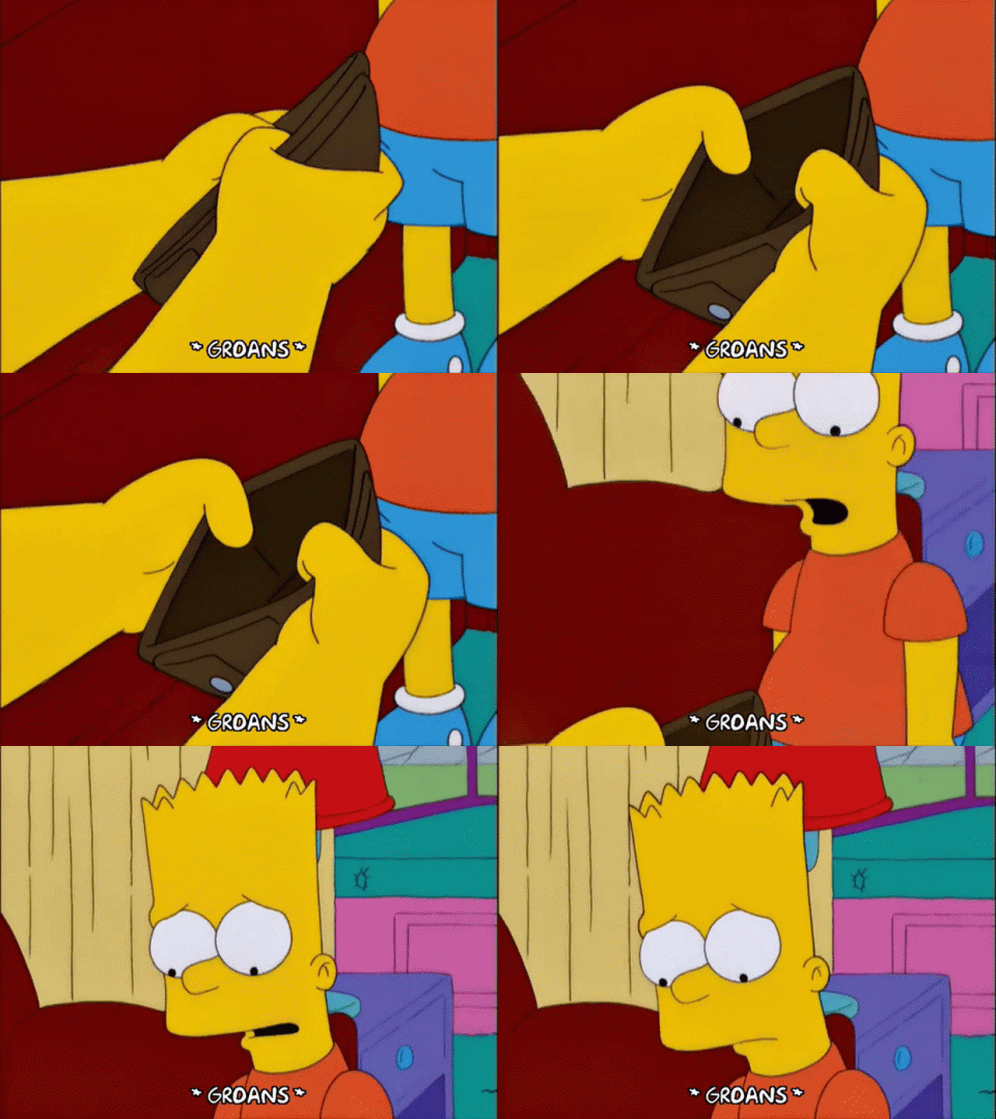
When costs rise, priorities sharpen. Consumers start asking themselves simple but important questions: Do I really need this? Is it worth it? Is there a smarter alternative? And slowly, expectations begin to shift. Flashy messaging loses its impact, luxury starts to feel distant, and excess becomes unnecessary. What matters more now is value, usefulness, and honesty. People aren’t just buying less; they’re thinking more before they buy.
What this means for brands.
This is where things get interesting. Because this kind of shift doesn’t just affect sales, it affects tone, positioning, and overall relevance. Brands that continue communicating in the same way risk feeling out of sync. Not because their message is wrong, but because it no longer fits the moment.
What good marketing looks like right now.
Closer to real life.
Forget the “extra” and focus on the core benefits of your products or services. The idea is to be honest and leave behind the overly polished, luxurious aesthetic. This is the moment to embrace natural, realistic visuals, empathetic messaging, and a simpler approach, one that feels closer to the real life of your audience.
Focus on value.
As everything becomes more expensive, it’s clear that the economic context is driving prices up, from suppliers to transportation and beyond. One thing is certain: you won’t win by starting a price war. With players like Shein, Temu, and Trendyol in the mix, it’s becoming increasingly difficult to compete on price alone.
But there is something you can do: focus on the value of your product. Help your customers understand what they’re actually getting for the price they pay. Keep it real. Tell the full story behind your product, how it’s made, who’s involved in bringing it to life, and everything in between.
Sustainability that makes sense.
Don’t even think about greenwashing. You already know it’s not right, and now more than ever, people will see through it.
If your company is genuinely making an effort, whether through sustainable energy, eco-friendly packaging, or responsible production, then highlight it. But always be honest. Your audience will appreciate transparency far more than perfection.
The rise of the home.
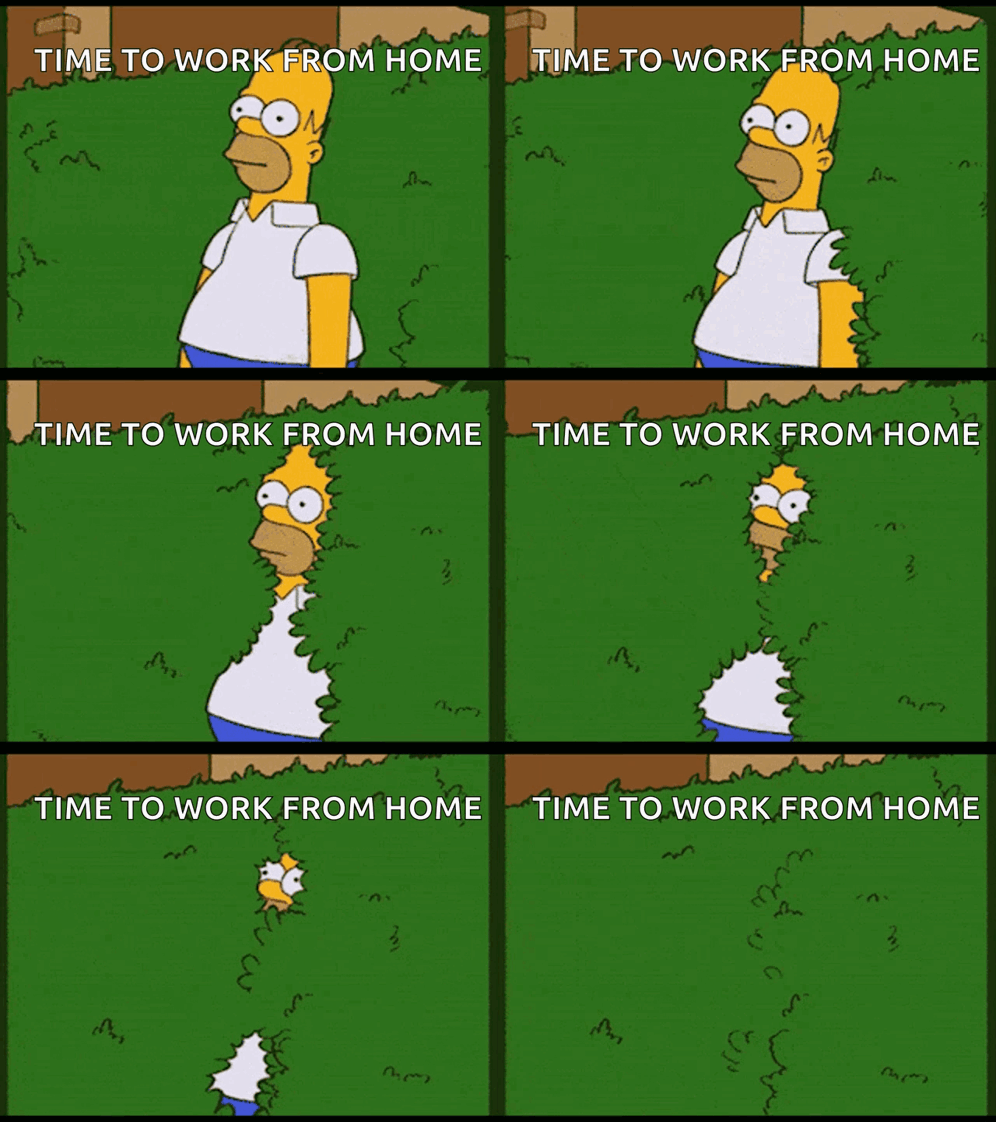
We need to acknowledge that the meaning of “home” is evolving. We saw a more dramatic version of this during COVID, but the shift is still ongoing.
Home is no longer just a place, it’s where people relax, save money, spend time, and create experiences. Brands have the opportunity to reposition their products around comfort, routine, and small, meaningful moments.
So where does marketing go from here?
Less noise, more relevance. Less aspiration, more alignment with reality. The brands that stand out won’t necessarily be the boldest, but the ones that feel most in tune with how people are actually living right now.
In times like this, marketing becomes less about persuasion and more about understanding. Because when people quietly change their behavior, the brands that matter are the ones that notice and respond.
If you need help in crafting the perfect strategy for your brand, leave us a message.